August - December 2020
SCRAPS TEAM PROJECT
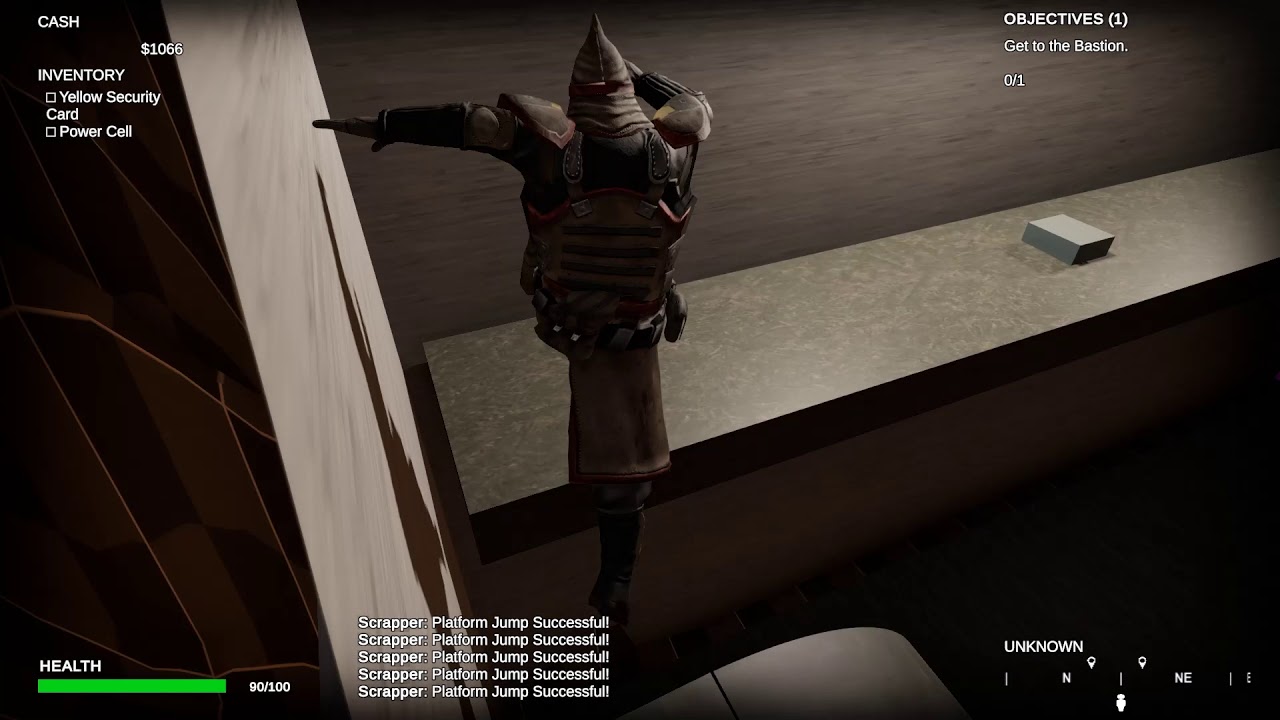
This was a project where I had to create a level design for a game that was already in development. I had to create a level and merge it with 4 other classmates to create one big level that had all our levels seamlessly attached to each other. We, as a team, worked with Perforce and Trello to document our work and backup our work.

SKILLS USED
PERFORCE
Through the duration of the project, I communicated with a team of 4 other classmates to work together and keep our project up-to-date with Perforce version control.
TASK MANAGEMENT
Another skill I used throughout this project was the use of task management with Trello. Trello was an important tool for me to use to write down bugs and keep on track.
TEAM BUILDING
This project was a 5-month journey where I was tasked with working with a team for the last 3 months. The team consisted of 4 other game design students. We had to collectively build one big level while still working on our own individual levels. Since we were all online, we had to communicate our schedules and work together through Discord and screen-sharing.


POSTMORTEM
Introduction
SCRAPS is a post-apocalyptic adventure game where most of humanity has died off. The people that are left, live in cities called Bastions, and the citizens are called Basts. Whenever a Bast cannot get something in the Bastion, they call the player, the Scrapper to retrieve what they need from the wastes. In this project, I had to create a level that the Scrapper would play through and retrieve something for the Bast. I had to design the level out of prototype blocks and iterate on my design to make it better. I then had to replace all the prototype materials with finalized materials and other assets. Another task I had to do was connect my level to another member of my team. This had to be done seamlessly so that the player could not see into the void or have any weird jitters while transitioning. From concept to finalization, this entire process took around 3 months.
What went right
Asset Integration was one of the easier things to do in this project. It’s also one of the many things that went right. When my level was in the pre-alpha stage, it didn’t have very many graphical bugs already. This made it easy for me to just swap out the prototype materials with finalized materials that had textures on them. I did this by browsing the finalized materials that were given to me already by the SCRAPS project or by modifying a copy of them to better suit my needs.
Seamless connections to the level before me was another thing that went right in this project. Since I was connecting to the team member that worked with me the most, it was easy to connect our levels in the most seamless way possible. With our combined knowledge of how to use the terrain tool effectively, it made it easy to do this.
Bug fixing was something that went right with my level. I made sure to test it thoroughly in the pre-alpha phase to ensure there were minimal bugs. This attention to detail made it easy for me to fix what bugs were found during the alpha and beta phases of this project.
My pre-existing knowledge of programming, unity, and version control made this project a lot less difficult. Before I started my degree, I had already known how to use version control software because of my knowledge using Git, I was able to use Unity a little bit, and I had extensive knowledge of various programming languages already. This made it easier to understand the concepts needed to create my level and do so effectively without much hindrance.
The use of Trello to visually see what tasks are being worked on and what needs to be done was probably the best thing that happened during this project. I get easily sidetracked and that makes it difficult for me to stay on task. The use of Trello to visually see tasks that needed to be completed helped me stay focused on the task at hand. Since I already had knowledge of how to use Trello from my pre-existing knowledge, this was very easy for me to use as I’ve used Trello before in the past.
What went wrong
Teamwork was lacking in this project. Only one other member of my team was available and working on their level consistently. The other 3 out of 4 members were busy with work and other priorities to dedicate the same amount of effort the other teammate and I put in. This made it very difficult to work as a team to seamlessly connect our levels.
Communication was also lacking in this project. As mentioned before, 3 out of 4 members of my team were not available consistently due to work schedules. This made it difficult to communicate with them as a team because they would get off work when another teammate and I were going to sleep. We had a discord server where we would communicate with each other, however, it was still difficult to consistently keep in touch with everyone.
Underperformance in the team was a major thing that went wrong with this project. While some of the members of my team were able to work on their level effectively, some could not. Some members of the team had trouble getting their level to work due to their inability to use the software correctly.
Another thing that went wrong was consistency throughout the levels. Consistency throughout the levels is key to creating a seamless experience like this project was supposed to do. However, due to the lack of communication and inability to use the software correctly, this was extremely difficult to do. While there was one teammate who was able to communicate effectively and was competent enough to use the software, the other 3 out of 4 members had difficulty. This made it hard to seamlessly connect all our levels and make them all consistent with each other.
One final thing that went wrong was my level design. Initially, when I made my level design concept, I had a hard time thinking of ways to show off my mechanics. I showcased my mechanics but never iterated on them again to make the player practice them. This made my level too short. In the future, I plan to make sure I use mechanics more often to teach the player more and allow them to practice and master each mechanic.
Conclusion
Overall, this project was fun to work with. Despite the issues that happened, it taught me a lot. This project taught me that designing a level is a long process. It takes a lot of time, dedication, and patience to release a product. I learned that even the smallest detail in a level makes a huge difference in the final product. The use of Trello to visually see what was being worked on and what was done was a great way for me to stay on task. Working with a team to produce a game with multiple levels designed by multiple people was a new experience for me. This project taught me that it’s not always easy to integrate levels made by other designers, each level comes with its problems, and you must be able to solve these as a team.